Raw keeps the sensor data JPEG throws away
A JPEG is a raw file that has already been through somebody else's opinion, baked in and no longer negotiable.
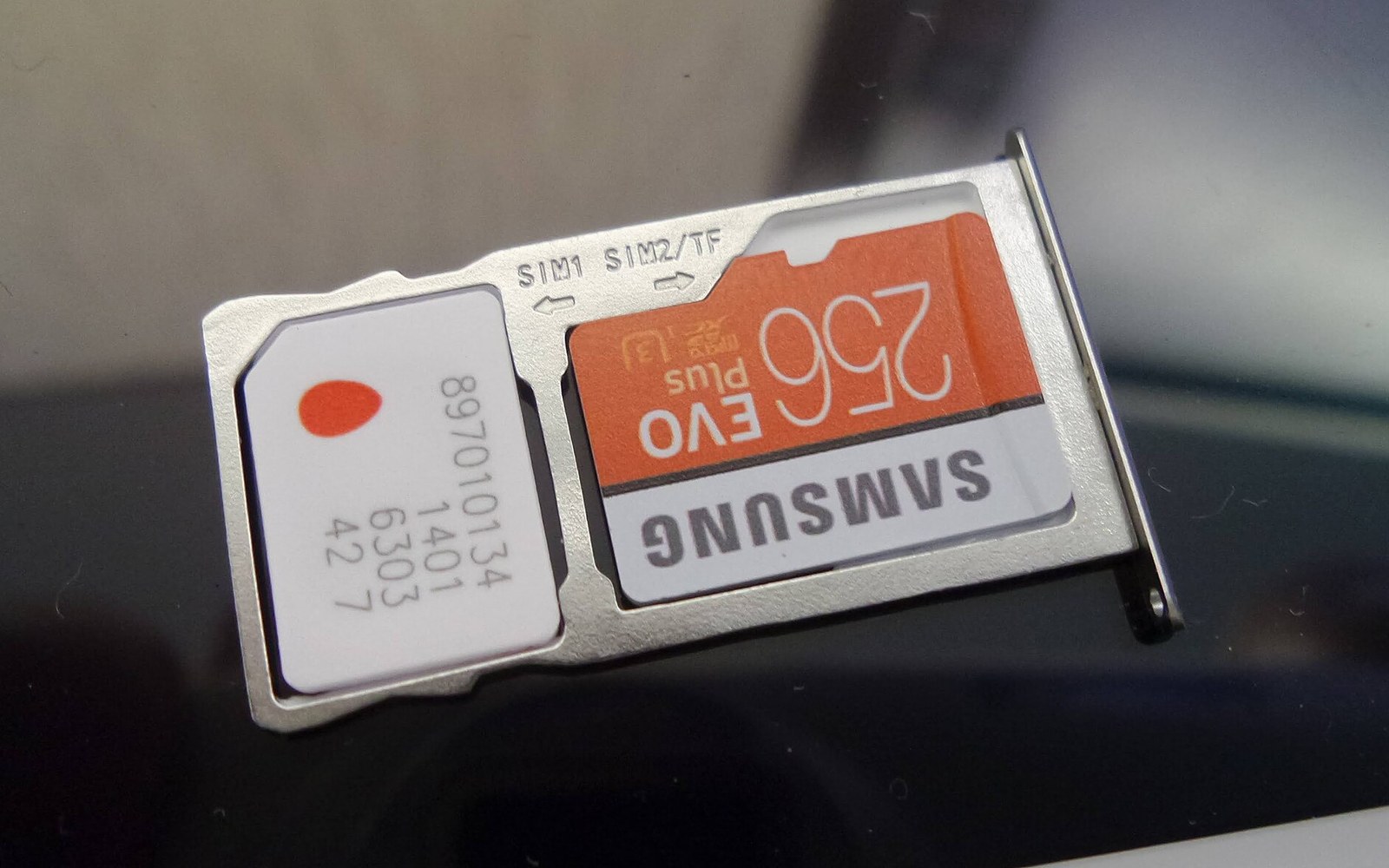
What the camera does to every frame
Every sensor records light as raw electrical charges. What arrives on the card — JPEG or raw — began at the same place: a grid of photosites, each behind a coloured filter, each measuring brightness and nothing else. The difference is not what the sensor captured. The difference is who ran the raw converter.
Shoot JPEG and the camera's onboard processor applies white balance, demosaicing, a tone curve, noise reduction, sharpening, and a colour profile, then discards the original signal and writes a compressed file. That chain of decisions is the manufacturer's opinion about what a photograph should look like, encoded in firmware and named something like "Vivid" or "Landscape." Fujifilm's Film Simulation modes are the honest version of this: the camera is openly styling the image rather than pretending to record it.
Shoot raw and all of those decisions are still made — they have to be, or the file would not preview on the camera screen — but they are made in a sidecar, a thumbnail, a header. The underlying sensor data survives intact. When the raw file reaches a converter, every one of those decisions gets made again, this time by whoever is sitting at the keyboard.
The opinion that is already baked in
Ansel Adams built the zone system around the idea that the exposure you choose and the development you give the negative are inseparable decisions. A JPEG collapses that into one moment and hands it to the camera. The highlights that clip in a Vivid JPEG were often present in the raw file; the noise reduction that smears fine texture in a high-ISO JPEG was a choice the camera made without being asked.
This is not a flaw in JPEG. It is a format designed for a purpose: a small, displayable image that needs no further processing. JPEG's compression standard ↗ — the DCT-based lossy scheme — was built around the limits of display and print technology in the early 1990s, not around the latitude a photographer might want later. The tradeoff was always deliberate. The problem is when the tradeoff is invisible.
What makes raw negotiable is precisely what makes it awkward: nothing is baked in. Exposure compensation of two stops in either direction, a complete white-balance shift, a rebuilt tone curve, a different colour rendering — all of it remains on the table. The raw converter is the darkroom. The JPEG is the print already made.
What this means at the slider
Opening a raw file in Lightroom Classic, Capture One, or darktable, the first thing the converter does is apply a default rendering — often a profile designed to match the camera's own JPEG output. That rendering looks reasonable because it was tuned to. But every value shown in the panel is adjustable, and none of the original data has been altered. Non-destructive editing means the file on disk does not change; only the instruction set attached to it does.
A JPEG opened in the same software shows the same sliders, but the latitude is narrower. Shadows that were crushed on the card stay crushed. Highlights that clipped stay clipped. ICC profiles ↗ govern how the colours are interpreted on screen, but they cannot reconstruct data that was discarded before the file was written. The headroom that makes raw editing feel elastic simply is not there.
Knowing this does not mean shooting raw always, or shooting JPEG never. It means knowing which conversion was already done, by whom, and what was thrown away to make the file. The camera makes those decisions quietly and consistently, every frame. The only question is whether those are the decisions that should have been made.